Strong wind damaged roof , even if everything appears normal from the ground. While missing roof tiles are often the most obvious sign, many wind-related roofing problems remain hidden until water begins entering your home.
That’s why acting quickly after severe weather is so important.
Whether you’ve experienced a recent storm in Stevenage or noticed unusual changes after high winds, knowing what to inspect first can help you arrange the right roof repairs in Stevenage before small defects become expensive structural problems.
Your Roof May Be Damaged Even If No Tiles Have Fallen
One of the biggest misconceptions is that roof damage only occurs when tiles fall onto the driveway or garden.
In reality, strong winds often loosen roofing materials without completely dislodging them.
This hidden damage can allow rainwater to penetrate beneath the roof covering during the next period of bad weather.
A wind damaged roof isn’t always obvious – but it should never be ignored.
Check for Lifted or Slipped Roof Tiles
Wind creates upward pressure beneath roof tiles.
Over time, this can loosen fixings or shift tiles slightly out of position.
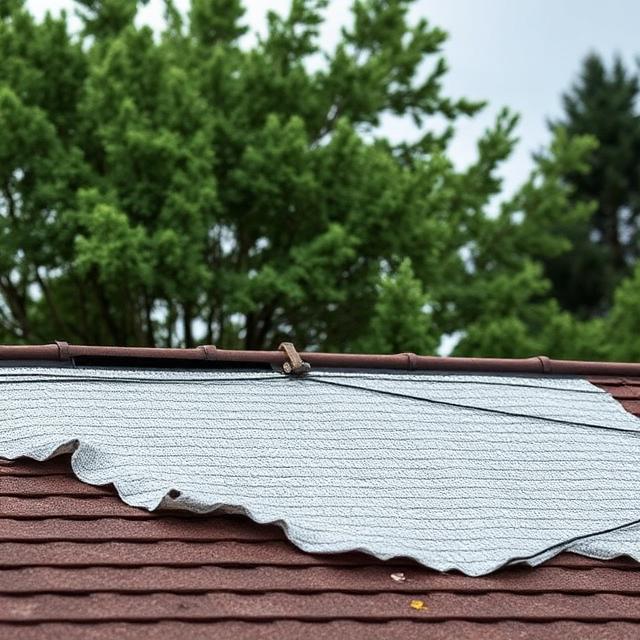
Signs to look for include:
- Uneven roof lines
- Crooked roof tiles
- Small gaps between tiles
- Tiles that appear to have moved
Even minor movement can expose the waterproof underlay and allow water into the roof structure.
If you notice any of these issues, arrange a professional roof inspection in Stevenage as soon as possible.
Inspect the Ground Around Your Property
Before looking at the roof itself, inspect the area around your home.
You may find:
- Broken roof tiles
- Pieces of ridge mortar
- Lead flashing fragments
- Guttering components
- Debris from neighbouring roofs
These clues often indicate that your roof has experienced storm damage, even if it isn’t immediately visible from ground level.
Don’t Forget to Check Your Loft
Many homeowners overlook the loft after strong winds, yet it’s often where the earliest signs of damage appear.
Look for:
Daylight Through the Roof
If sunlight is visible where it wasn’t before, roofing materials may have shifted.
Damp Insulation
Wet insulation suggests rainwater has entered the roof covering.
Water Stains on Timbers
Dark patches or fresh moisture indicate water penetration that should be investigated immediately.
A loft inspection can reveal problems long before they become visible inside your living spaces.
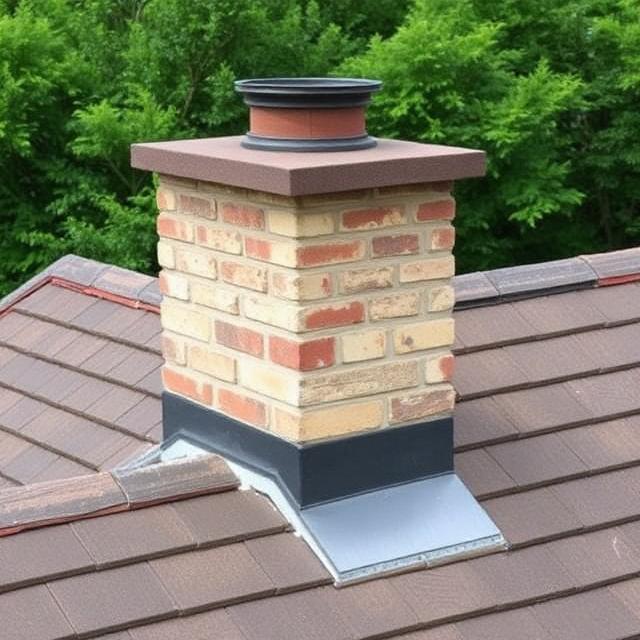
Chimneys and Flashing Are Especially Vulnerable
Wind doesn’t just affect roof tiles.
It can also loosen lead flashing around chimneys and roof junctions.
Once flashing lifts slightly, wind-driven rain can enter beneath it.
Warning signs include:
- Damp chimney breasts
- Ceiling stains near fireplaces
- Water marks in the loft
- Loose lead flashing
Professional roof leak repair in Stevenage often involves replacing or refitting flashing before more extensive damage occurs.
Check Gutters, Fascias and Roof Edges
High winds frequently damage roofline components.
Inspect your property for:
- Detached gutter brackets
- Bent gutters
- Cracked fascia boards
- Loose soffits
Although these may seem minor, wind damaged roof systems can prevent rainwater from draining correctly, increasing the risk of roof leaks.
Why Waiting Can Make Wind Damage Worse
Many homeowners delay calling a roofer because there isn’t an obvious leak.
Unfortunately, wind damage often worsens over time.
Loose tiles continue moving during future storms, allowing more water beneath the roof covering.
What starts as a simple repair may eventually require:
- Roof timber replacement
- Internal ceiling repairs
- New insulation
- Extensive roof restoration
Prompt action usually results in faster, more affordable repairs.
When Should You Call an Emergency Roofer?
Not every wind damaged roof requires emergency work, but some situations shouldn’t wait.
Contact an emergency roofer in Stevenage immediately if:
- Large areas of tiles are missing
- Roof timbers are exposed
- Water is actively entering your property
- Chimney masonry has become unstable
- Part of the roof appears to be sagging
Temporary protection can minimise further damage until permanent repairs are completed.
Why a Professional Roof Inspection Is Worth It
Some storm damage isn’t visible without accessing the roof safely.
An experienced roofing contractor will inspect:
- Roof tiles
- Ridge tiles
- Valleys
- Flashing
- Roof underlay
- Chimney details
- Roofline components
They can also provide photographs of any damage and explain whether repairs or replacement offer the best long-term solution.
This gives homeowners confidence that problems have been identified before they become more serious.
Conclusion
Strong winds don’t always leave dramatic damage behind, but they can weaken your roof in ways that aren’t immediately obvious. Loose tiles, damaged flashing, and hidden water entry points often develop into much larger problems if left unchecked.
If your property has recently experienced severe weather, arranging a professional roof inspection is one of the simplest ways to protect your home, avoid unexpected repair costs, and ensure your roof remains weatherproof for years to come.
Frequently Asked Questions
Can strong winds damage a roof without removing tiles?
Yes. High winds can loosen tiles, lift flashing, and weaken fixings without causing tiles to fall immediately.
How do I know if my roof has storm damage?
Check for slipped tiles, debris around your property, damp loft insulation, ceiling stains, or visible roofline damage.
Should I climb onto my roof after a storm?
No. Roofs can be unstable after high winds. A qualified roofer has the equipment and experience to inspect them safely.
Can wind damage lead to roof leaks?
Yes. Even small gaps created by lifted tiles or flashing can allow rainwater to enter the roof structure.
How soon should I arrange roof repairs after storm damage?
As soon as possible. Early repairs help prevent water damage, structural deterioration, and more expensive restoration work.