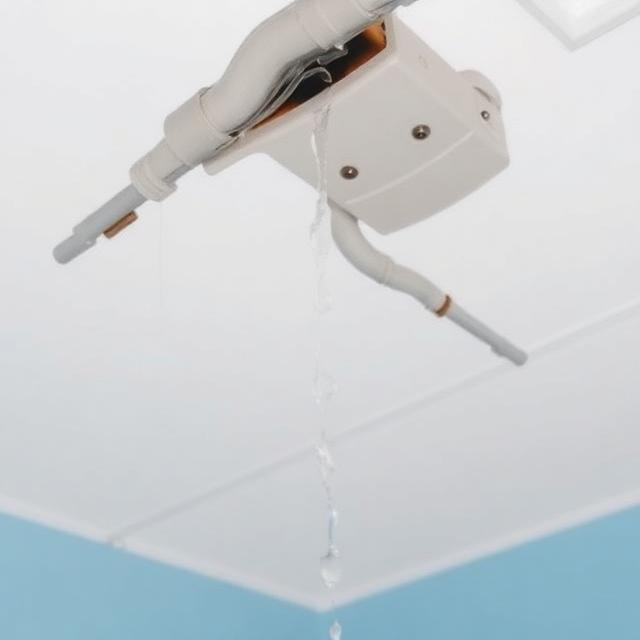
Seeing water leaking through ceiling is one of the most worrying problems a homeowner can face. While it’s tempting to place a bucket underneath and deal with it later, a ceiling leak is usually a sign that water has already been entering your roof for some time.
The important thing to understand is that the drip isn’t always directly below the problem. Rainwater can travel along roof timbers, insulation and ceiling joists before finally appearing inside your home.
If you’ve noticed water entering your property, understanding the possible cause can help you act quickly and avoid more expensive repairs later.
A Ceiling Leak Doesn’t Always Mean You Need a New Roof
One of the biggest concerns homeowners have is whether a leaking ceiling automatically means a complete roof replacement.
In many cases, the answer is no.
Professional roof repairs in Stevenage often solve ceiling leaks caused by isolated issues such as:
- A slipped roof tile
- Damaged lead flashing
- Cracked ridge tiles
- Blocked roof valleys
- Worn flat roofing materials
- Storm damage
The key is identifying the source before moisture causes widespread damage to your roof structure.
Why the Water Isn’t Dripping Directly Below the Leak
Many homeowners assume the roof leak is directly above the ceiling stain.
Unfortunately, roofing doesn’t work that way.
Rainwater often follows the path of least resistance by running along:
Loft timbers
Water can travel several metres before dripping into a room below.
Roof membranes
Modern roofing underlays can redirect water away from the damaged area.
Electrical cables and pipework
In some properties, moisture follows cables or pipes before appearing indoors.
This is why a professional roof inspection in Stevenage is often needed to accurately locate the source.
What Usually Causes Water to Drip Through a Ceiling?
Several roofing defects commonly lead to water leaking through ceiling.
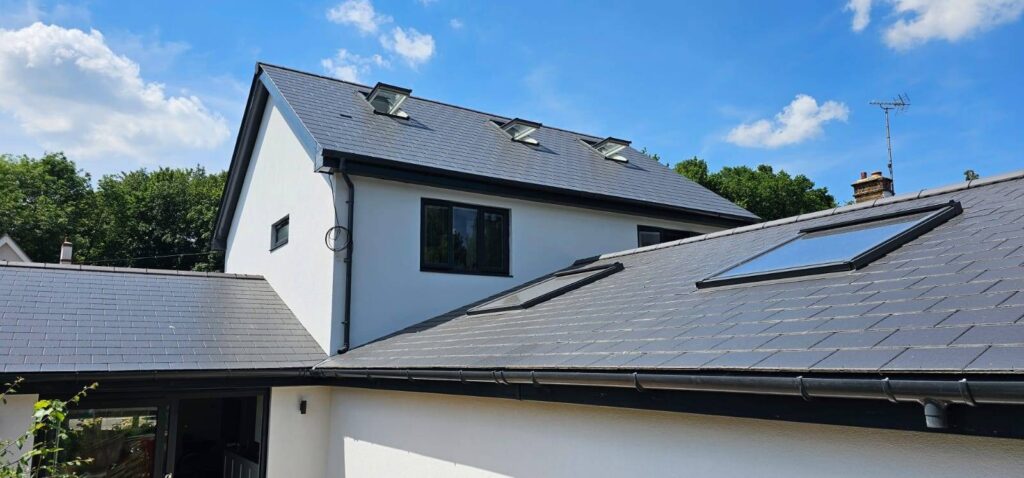
Damaged or Missing Roof Tiles
Strong winds can loosen or crack roof tiles, allowing rainwater to penetrate the roof covering.
Even one missing tile may expose the roof underlay to prolonged moisture.
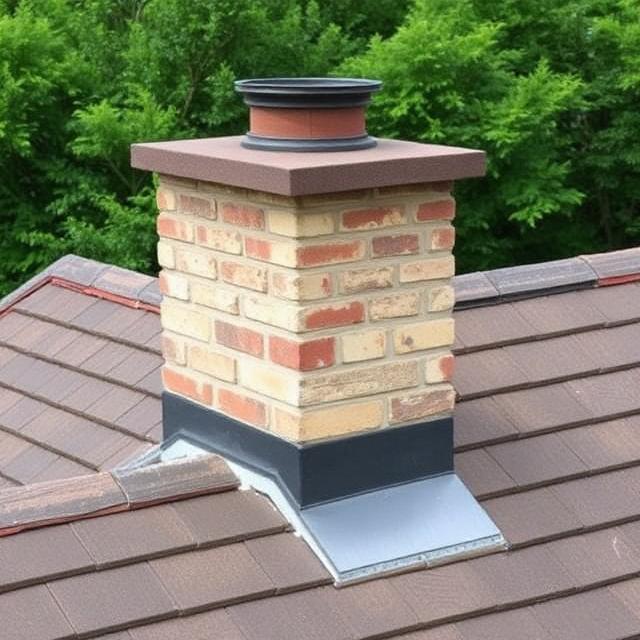
Failed Chimney Flashing
Lead flashing around chimneys expands and contracts over time.
Eventually, small gaps develop that allow rainwater to enter.
Signs include:
- Damp chimney breasts
- Water around fireplaces
- Ceiling stains near chimney stacks
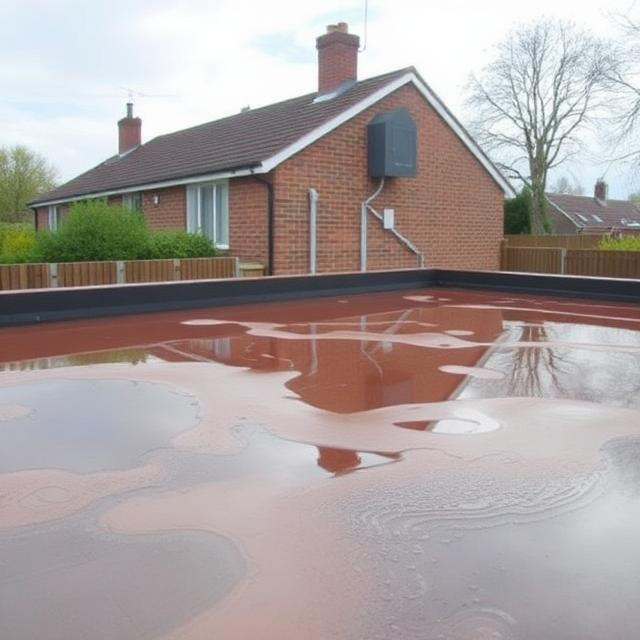
Flat Roof Problems
If your property has an extension or garage with a flat roof, ageing felt or damaged GRP surfaces may allow water beneath the waterproof layer.
Leaks from flat roofs often appear after heavy rainfall.
Blocked Gutters
Overflowing gutters force rainwater back underneath roof tiles instead of directing it away from the property.
This commonly causes water leaking through ceilings and roof edges.
Warning Signs That the Problem Is Becoming More Serious
A ceiling drip is rarely the only symptom.
You should arrange roof leak repair in Stevenage if you also notice:
- Brown ceiling stains spreading
- Bubbling paint
- Damp loft insulation
- Mould growth
- Sagging plasterboard
- Persistent damp smells upstairs
Ignoring these warning signs can result in timber decay, damaged insulation and costly internal repairs.
What You Should Do Immediately
If water is actively dripping through your ceiling:
Protect Your Home
Place a container beneath the leak and move furniture away from the affected area.
Turn Off Electricity If Necessary
If water is close to ceiling lights or electrical fittings, switch off the relevant circuit and seek professional advice.
Avoid Climbing Onto the Roof
Wet roofs are extremely slippery, and the source of the leak may not be visible from ground level.
Instead, contact a qualified roofing company in Stevenage to safely inspect the roof.
When Should You Call an Emergency Roofer?
Some situations shouldn’t wait.
Contact an emergency roofer in Stevenage if:
- Water is entering rapidly
- A section of the roof has been damaged during a storm
- Ceiling plaster is sagging significantly
- Large areas of roof tiles are missing
- Chimney masonry appears unstable
Emergency temporary repairs can often prevent much larger structural damage until permanent work is completed.
How a Professional Roof Inspection Saves Money
Many homeowners delay calling a roofer because they’re worried about the cost.
Ironically, waiting often makes repairs more expensive.
An experienced roofer will:
- Identify the true source of the leak
- Check for hidden moisture damage
- Explain whether repair or replacement is the best option
- Provide photographs of the affected areas
- Recommend the most cost-effective solution
Early intervention is almost always cheaper than repairing extensive water leaking through ceiling.
Conclusion
Water leaking through ceiling is your home’s way of telling you that something isn’t right. Whether it’s a damaged roof tile, failed flashing, blocked gutter or ageing flat roof, acting quickly gives you the best chance of avoiding costly structural repairs.
If you’ve noticed ceiling stains, active leaks or signs of damp, arranging a professional roof inspection is the safest way to identify the cause and protect your home before the damage spreads.
Frequently Asked Questions
Does a leaking ceiling always mean my roof is damaged?
Not always. While roof defects are the most common cause, leaks can also result from damaged flashing, blocked gutters or flat roof failures.
Can one missing roof tile cause a ceiling leak?
Yes. A single missing or cracked tile can allow rainwater to reach the roof structure, especially during heavy rainfall.
Is a ceiling leak an emergency?
If water is entering rapidly, electrical fittings are affected or the ceiling is sagging, contact an emergency roofer immediately.
How much damage can a small roof leak cause?
Even a small leak can lead to rotten timbers, mould growth, damaged insulation and expensive internal repairs if left untreated.
How can I prevent future roof leaks?
Annual roof inspections, regular gutter cleaning and prompt repairs after storms help prevent most roofing problems before they become serious.