Your roof survives weeks of sunshine without a problem. It even handles light showers perfectly. Then a heavy storm arrives, and suddenly there’s water leaking through the ceiling. Once the rain stops, the leak disappears. It seems confusing, but it’s actually one of the most common roofing problems homeowners experience. If your roof leaks in heavy rain, it’s usually a sign that water is finding its way through a hidden weakness that only becomes exposed under large volumes of rainfall.
Ignoring the issue because it “only happens sometimes” can lead to expensive structural repairs later.
Heavy Rain Doesn’t Always Create the Leak—It Reveals It
Many homeowners assume the rain itself is the problem.
In reality, heavy rainfall simply exposes weaknesses that already exist.
During light rain, your roofing system may still be able to redirect water effectively.
However, prolonged or intense rainfall places significantly more pressure on:
- Roof valleys
- Flashings
- Gutters
- Roof penetrations
- Tile or metal overlaps
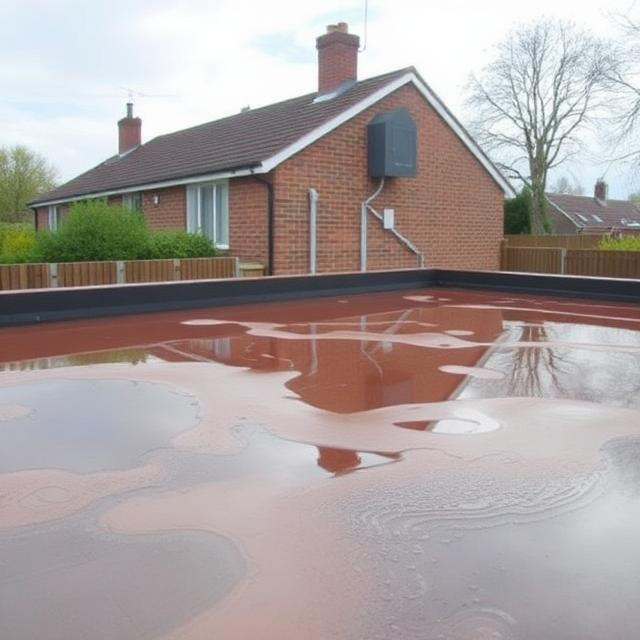
Once water exceeds the drainage capacity or finds a small entry point, it begins travelling beneath the roofing material instead of flowing away.
That’s when leaks become visible inside your home.
Small Roof Defects Become Big Problems During Storms
One cracked tile rarely causes immediate concern.
A tiny gap around flashing often goes unnoticed.
But during heavy rain, these seemingly minor defects become pathways for significant water intrusion.
Common causes include:
Damaged Roof Flashing
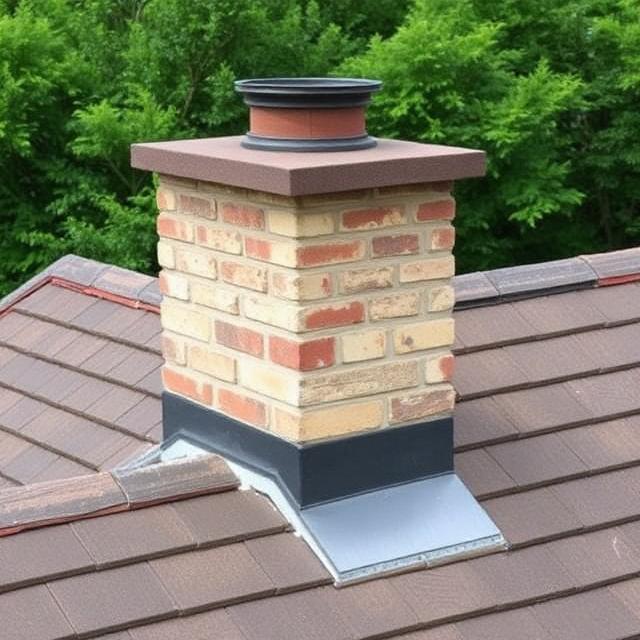
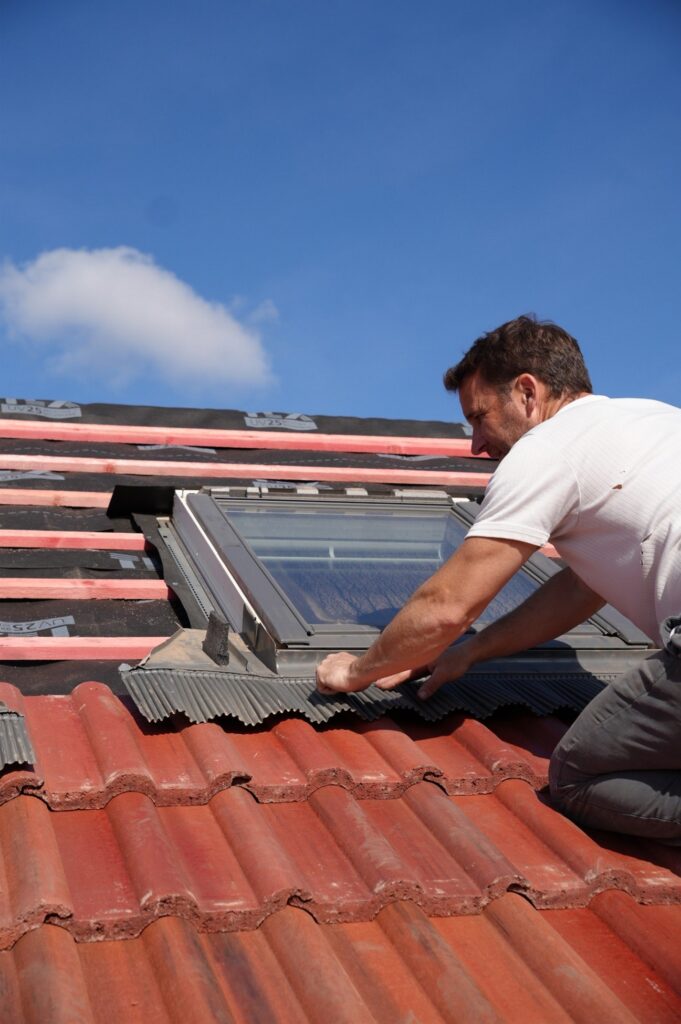
Flashing seals vulnerable areas around chimneys, skylights, vents and roof joins.
If flashing deteriorates or lifts over time, roof leaks in heavy rain can force water underneath it.
Blocked Gutters
Overflowing gutters don’t simply spill water over the edge.
They can force water backwards beneath roofing materials, particularly near the roof edge.
Cracked Roofing Materials
Broken roof tiles, damaged ridge capping or corroded metal sheets may allow water inside once rainfall becomes intense.
Wind-Driven Rain Changes Everything
One reason many roofs leak only during storms is wind.
Heavy winds push rain sideways instead of allowing it to fall vertically.
Water begins entering places that remain completely dry during normal rainfall.
This often affects:
- Roof ridges
- Window flashings
- Roof valleys
- Roof-to-wall junctions
- Vent penetrations
Many homeowners incorrectly assume the roof itself has failed when the real issue involves wind-driven water entering through small construction gaps.
Why Water Appears Far Away From the Actual Roof Leak
One of the biggest misconceptions about roof leaks in heavy rain is assuming the stain sits directly below the leak.
Unfortunately, roof leaks rarely behave that way.
Water often travels along:
- Roof framing
- Ceiling joists
- Insulation
- Electrical conduits
before finally dripping into your ceiling.
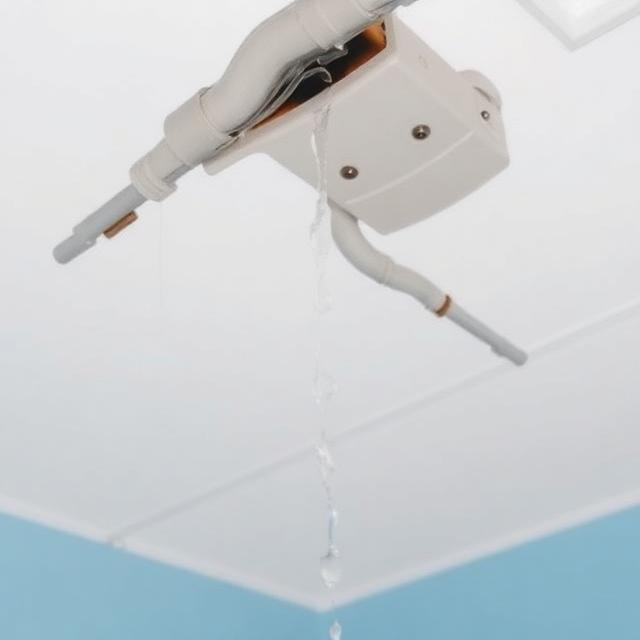
By the time the stain appears, the actual leak may be several metres away.
That’s why professional roof leaks in heavy rain repair focuses on tracing the water’s entry point rather than simply repairing the visible ceiling damage.
Why DIY Roof Leak Repairs Often Don’t Last
When homeowners notice a leak during heavy rain, many attempt a temporary repair.
Common quick fixes include:
- Roofing sealants
- Silicone around flashing
- Waterproof tape
- Temporary tarps
While these solutions may reduce water temporarily, they rarely address the underlying cause.
If flashing has failed, roof tiles have shifted or drainage is inadequate, surface sealants simply delay the problem.
Professional roof inspections identify why water is entering – not just where it’s appearing.
The Longer You Wait, the More Expensive It Can Become
Because the leak only appears during severe weather, it’s easy to postpone repairs.
Unfortunately, hidden moisture continues affecting your home long after the ceiling dries.
Ongoing leaks can lead to:
- Ceiling damage
- Insulation deterioration
- Timber rot
- Mould growth
- Electrical hazards
- Higher repair costs
Early intervention is almost always more affordable than repairing widespread water damage.
A Professional Roof Inspection Finds the Cause—Not Just the Leak
The best solution isn’t waiting for the next storm.
It’s identifying why your roof struggles during heavy rainfall.
A professional inspection will assess:
- Roof flashing
- Valleys
- Ridge capping
- Gutters
- Roof penetrations
- Storm damage
- Drainage performance
By addressing the underlying weakness, you reduce the likelihood of recurring leaks during future storms.
Conclusion: A Roof That Only Leaks During Heavy Rain Is Still a Roof Leak
If your roof leaks in heavy rain, don’t assume the problem is minor simply because it disappears when the weather clears. Intermittent leaks are often early warning signs of damaged flashing, blocked gutters, cracked roofing materials, or hidden storm damage. Left untreated, these issues can lead to costly structural repairs, mould growth, and ongoing water damage inside your home.
The safest approach is to arrange a professional roof inspection as soon as you notice the first signs of a leak. Identifying the source early allows repairs to be completed before the next storm causes even greater damage. A roof should protect your home in every season – not just when the weather is mild.
Frequently Asked Questions
Why does my roof leak only during heavy rain?
Heavy rain places greater pressure on your roofing system, exposing issues such as damaged flashing, blocked gutters, cracked roofing materials, or poor drainage that may not leak during lighter rainfall.
Can a roof leak stop on its own?
The visible leak may stop when the rain ends, but the underlying roofing problem remains and is likely to worsen during future storms.
Why is water leaking through my ceiling after heavy rain?
Water often enters through damaged areas on the roof and travels along timber or insulation before appearing on the ceiling, meaning the leak source may be far from the visible water stain.
Should I repair a roof leak immediately?
Yes. Even occasional roof leaks can cause structural damage, mould growth, insulation deterioration, and higher repair costs if left untreated.