Few roofing problems worry homeowners more than discovering water around a chimney roof leak or noticing damp patches on the ceiling after heavy rain.
Many assume the chimney itself is leaking, while others fear they need a completely new roof. In reality, chimney leaks are often caused by one specific component failing – not the entire roof.
Understanding what causes these leaks can help you arrange roof repairs in Stevenage before a relatively small issue turns into costly structural damage.
The Real Problem Is Often the Lead Flashing—Not the Chimney
One of the biggest misconceptions is believing the chimney bricks are responsible for every leak.
In many cases, the issue is actually the lead flashing.
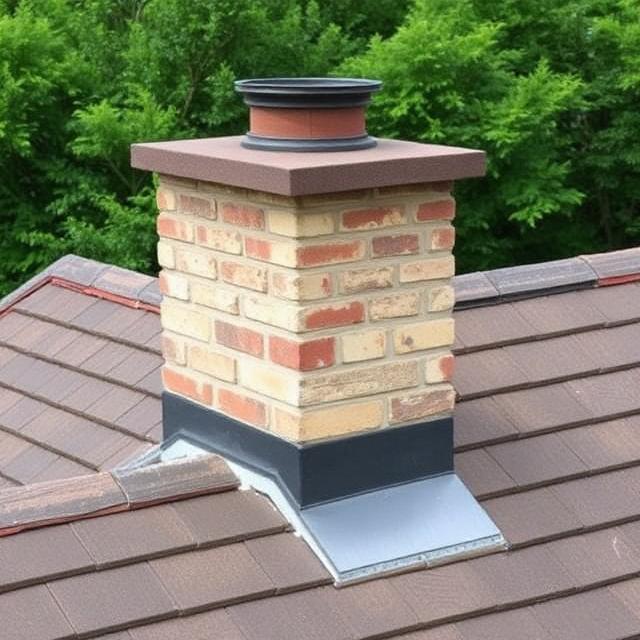
Lead flashing creates a waterproof seal where the roof meets the chimney roof leak.
Over time it can:
Pull away from brickwork
Seasonal expansion and contraction gradually loosen the flashing.
Crack through age
Older lead eventually weakens after years of weather exposure.
Become poorly sealed
Previous repairs sometimes rely on excessive sealant instead of correct lead installation.
Once flashing fails, rainwater quickly finds its way beneath the roof covering.
Damaged Roof Tiles Around the Chimney Can Let Water In
The roof tiles surrounding the chimney experience more movement than most other areas.
Storms, frost and natural settlement can cause:
- Cracked tiles
- Slipped tiles
- Broken ridge tiles
- Loose mortar around chimney edges
Even one damaged tile can allow water to enter beneath the roofing system.
Professional chimney roof leak repair in Stevenage often involves replacing only the affected tiles rather than carrying out extensive roofing work.
Chimney Mortar Doesn’t Last Forever
Many chimney leaks don’t begin on the roof at all.
Weather gradually breaks down the mortar joints between chimney bricks.
When mortar begins to crack, rainwater penetrates the stack before eventually appearing inside your property.
Signs include:
- Damp chimney breasts
- White salt deposits
- Loose brickwork
- Water marks around fireplaces
Repointing the chimney early prevents much larger repairs later.
Blocked Roof Valleys and Gutters Can Make the Chimney Look Like the Problem
Water doesn’t always enter where the leak appears.
Blocked gutters or roof valleys can force rainwater to back up beneath nearby roof tiles.
Because chimneys often sit close to these drainage points, homeowners mistakenly assume the chimney is leaking.
A professional inspection identifies the true source instead of treating the symptom.
Why Chimney Leaks Often Get Worse During Wind-Driven Rain
Many homeowners notice leaks only during heavy storms.
That’s because strong winds push rain sideways beneath damaged flashing and loose roof tiles.
If the leak only appears during severe weather, don’t assume it has fixed itself when the rain stops.
The defect is still there – it simply isn’t allowing enough water through under normal conditions.
Should You Repair the Chimney or Replace the Roof?
This is one of the most common questions roofing contractors receive.
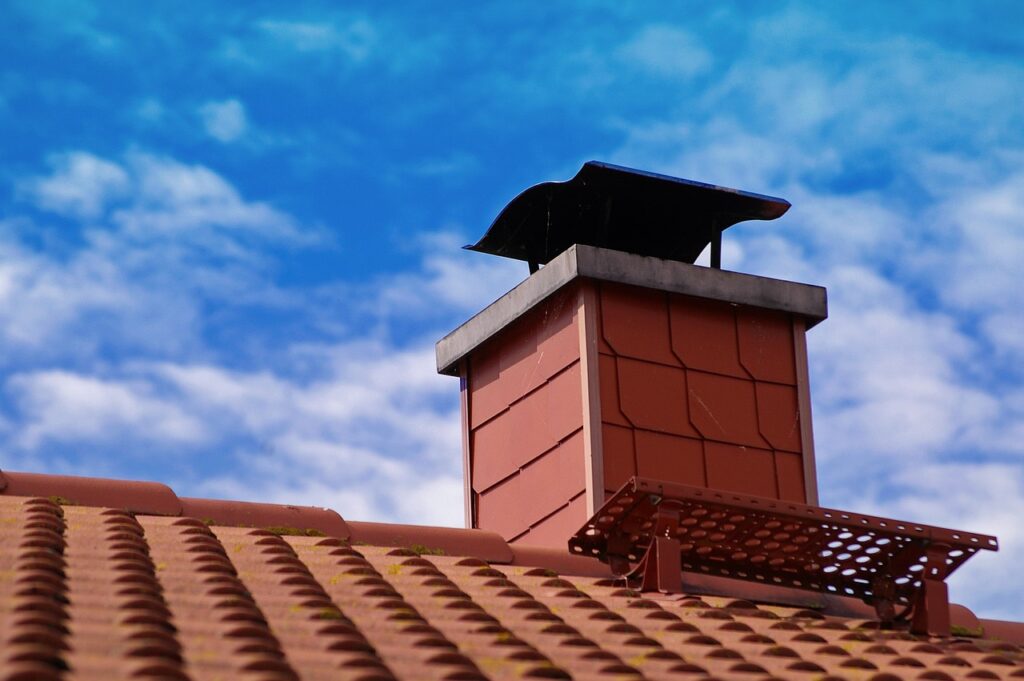
The answer depends on the condition of the surrounding roof.
A professional roofing company in Stevenage will assess:
- Lead flashing
- Roof tiles
- Chimney brickwork
- Mortar joints
- Roof underlay
- Timber condition
In many cases, only targeted repairs are needed rather than a full roof replacement.
Don’t Ignore a Small Chimney Leak
A slow leak rarely stays small.
Moisture trapped around chimneys can eventually cause:
- Rotten roof timbers
- Damp loft insulation
- Internal mould growth
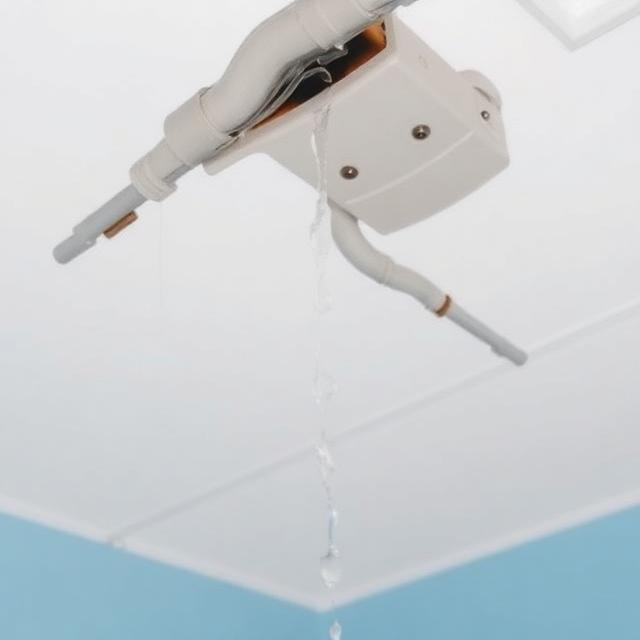
- Ceiling damage
- Decorative plaster failure
Acting early usually means a simpler and more affordable repair.
Conclusion
A chimney roof leak doesn’t automatically mean you need a new roof, but it does mean something within the roofing system has failed.
Whether the problem is damaged lead flashing, cracked mortar, slipped roof tiles or blocked drainage, identifying the exact cause quickly is the best way to prevent further damage.
If you’ve noticed damp around your chimney, ceiling stains after rainfall or water entering your loft, arranging a professional roof inspection will help determine the most effective repair and protect your home for years to come.
Frequently Asked Questions
Why does my chimney only leak when it rains heavily?
Wind-driven rain often forces water beneath damaged flashing or loose roof tiles, making defects more noticeable during severe weather.
Can damaged flashing be repaired without replacing the roof?
Yes. If the surrounding roof is in good condition, replacing or repairing the lead flashing is often all that’s required.
Is chimney repointing enough to stop a leak?
If deteriorated mortar is the cause, repointing may solve the issue. However, flashing and roof tiles should also be inspected.
How do I know whether my roof or chimney is leaking?
A professional roof inspection can identify the exact entry point, as water often travels before becoming visible indoors.
How quickly should a chimney leak be repaired?
As soon as possible. Even a minor leak can lead to structural timber decay, mould and expensive internal repairs if left untreated.