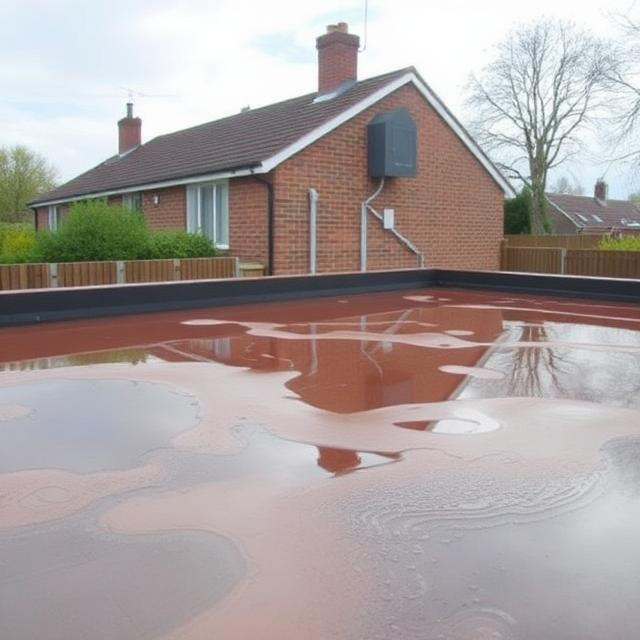
After heavy rainfall, it’s common to notice water on flat roof . Many homeowners assume it will evaporate naturally over the next few days, so they put off arranging an inspection.
While a small amount of water may disappear without causing immediate issues, ponding water that remains for more than 48 hours is often a warning sign that something isn’t working as it should.
Ignoring the problem could lead to roof leaks, structural damage, and expensive repairs that are far more costly than addressing the issue early.
If you’ve spotted standing water on flat roof, here’s what you need to know before the next spell of wet weather arrives.
Water Doesn’t Stay on a Healthy Flat Roof for Long
Despite the name, flat roofs are not completely flat.
They are built with a slight fall that allows rainwater to drain towards outlets or gutters.
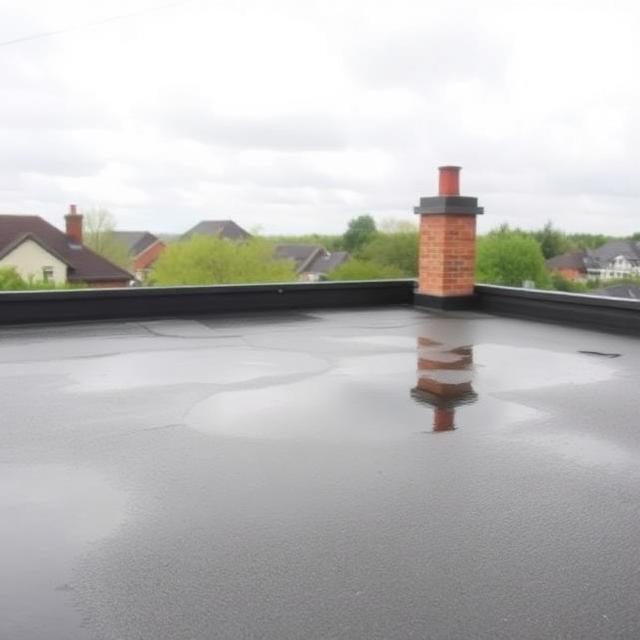
If water remains on the surface long after the rain has stopped, it usually means one of three things:
- Poor roof drainage
- A blocked outlet or gutter
- The roof surface has started to sag
These issues should be assessed by a professional before they cause further damage.
Why Ponding Water Becomes a Bigger Problem Over Time
Many homeowners think standing water is only a cosmetic issue.
Unfortunately, the longer water remains on the roof, the greater the pressure it places on the waterproof membrane.
Over time, this can lead to:
Membrane Deterioration
Constant exposure to standing water accelerates the ageing of roofing materials, especially older felt systems.
Hidden Roof Leaks
Water can slowly penetrate tiny cracks or weak points before becoming visible inside your home.
Structural Deflection
The extra weight of trapped water may worsen existing sagging, allowing even more water to collect after every rainfall.
What Causes Water to Collect on a Flat Roof?
Several issues can prevent rainwater from draining correctly.
Blocked Drainage Outlets
Leaves, moss and debris frequently block drainage points, causing rainwater to remain trapped.
Roof Settlement
Over time, the roof structure may naturally settle, creating low spots where water gathers.
Poor Installation
Flat roofs that weren’t installed with adequate falls often experience recurring ponding from the day they’re completed.
Ageing Roofing Materials
Older roofing systems can lose their shape as insulation compresses or supporting timbers move.
A professional flat roof inspection in Stevenage will identify which issue is responsible.
How to Tell If Ponding Water Is Already Causing Damage?
Standing water on flat roofs often causes problems before leaks appear indoors.
Watch for signs such as:
- Blisters in the roofing membrane
- Cracks around roof edges
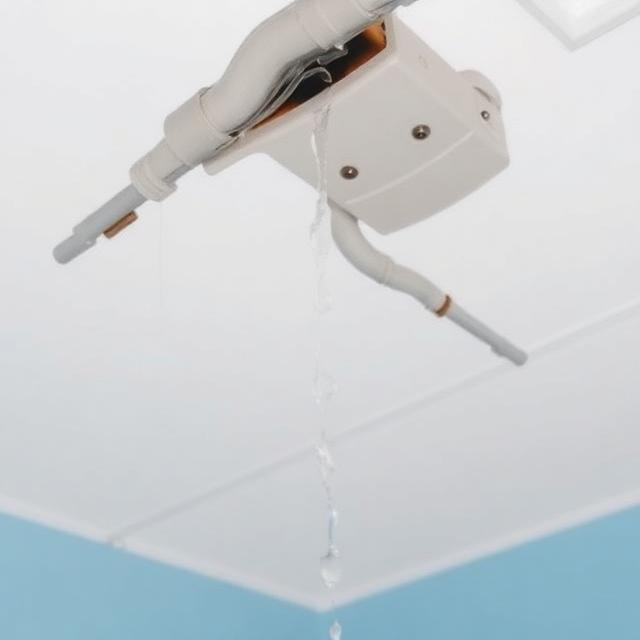
- Damp patches on ceilings
- Bubbling paint
- Mould growth upstairs
- Water marks around roof junctions
These symptoms suggest moisture has already begun affecting the roof structure.
Why DIY Solutions Rarely Solve the Real Issue?
Some homeowners attempt to sweep water away after rainfall or apply waterproof coatings over affected areas.
While this may temporarily improve the appearance, it doesn’t address the underlying cause.
If drainage, roof falls or structural movement are responsible, water will simply return after the next period of rain.
Professional flat roof repairs in Stevenage focus on correcting the source of the problem rather than masking the symptoms.
When Is Standing Water an Emergency?
Not every flat roof needs immediate emergency repairs.
However, you should contact an emergency roofer in Stevenage if:
- Water is entering your property
- The roof appears to be sagging significantly
- Ponding is increasing after every rainfall
- Large cracks have developed in the roof membrane
- Water is close to electrical installations
Prompt action can prevent much more expensive structural repairs.
Modern Flat Roofing Systems Handle Water More Effectively
If your flat roof is reaching the end of its lifespan, modern systems such as GRP fibreglass roofing provide improved durability and better resistance to standing water.
When installed correctly with suitable drainage, these roofing systems offer excellent long-term performance and require less maintenance than many older flat roofs.
Your roofing contractor can advise whether repairs are sufficient or whether replacement offers better long-term value.
A Professional Inspection Can Save You Thousands
Many flat roof problems begin with poor drainage rather than major structural defects.
A qualified roofing contractor will inspect:
- Roof falls
- Drainage outlets
- Membrane condition
- Flashings
- Roof edges
- Structural movement
This allows the underlying cause to be identified before leaks spread into your property.
Conclusion
Finding water on flat roof after heavy rain shouldn’t automatically cause panic – but it should never be ignored.
If water remains for more than a couple of days or continues to return after every storm, it’s often a sign that your roof needs professional attention. Early inspections and timely repairs can prevent leaks, extend the lifespan of your roof, and save you from far more expensive structural work in the future.
Frequently Asked Questions
Is it normal to have water on a flat roof?
A small amount immediately after rainfall is normal. However, water that remains for more than 48 hours usually indicates a drainage or structural problem.
Can ponding water damage a flat roof?
Yes. Standing water can accelerate membrane wear, increase structural loading and eventually lead to roof leaks.
How do I remove standing water from my flat roof?
Avoid climbing onto the water on flat roof yourself. A roofing professional can identify whether blocked drainage or structural issues are causing the problem.
Does ponding water mean I need a new flat roof?
Not always. Many issues can be resolved with targeted repairs, improved drainage or localised membrane replacement.
What’s the best roofing material for preventing ponding problems?
Modern GRP fibreglass roofing and high-quality EPDM systems, when correctly installed with proper falls, provide excellent long-term resistance to water penetration.