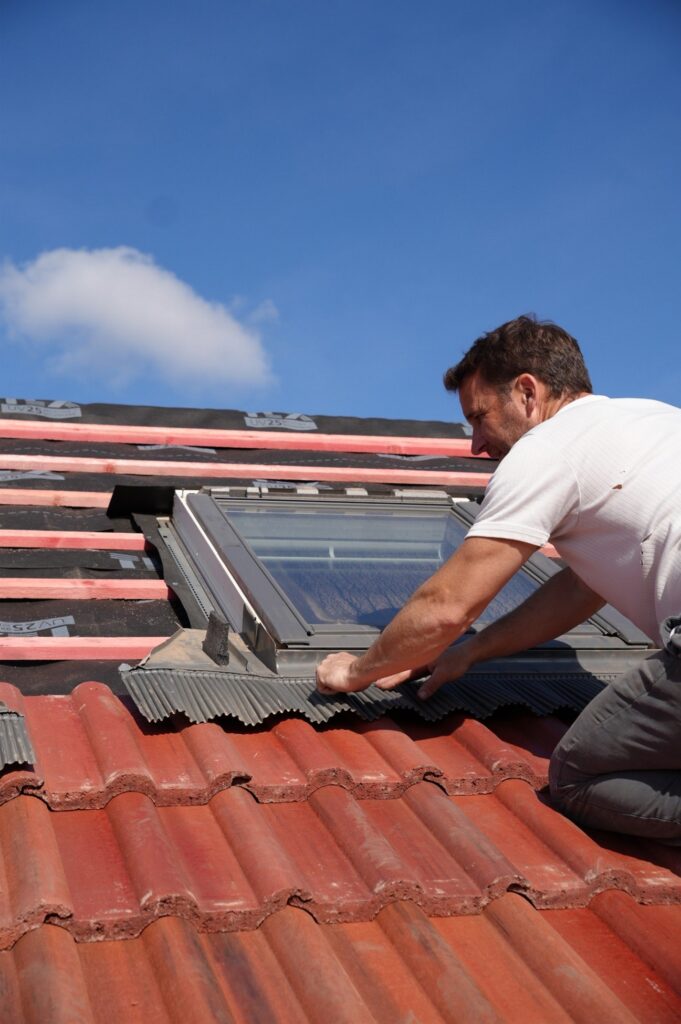
A tiny water stain on the ceiling or a slow drip in the loft may not seem like an emergency. Many homeowners assume a small roof leak repair can wait until the weather improves or until they have more time to deal with it.
Unfortunately, that’s one of the most expensive assumptions you can make.
In many cases, what appears to be a minor leak is only the visible symptom of a much larger roofing issue. By the time water becomes noticeable inside your home, it may already have been entering the roof for weeks or even months.
Understanding why roof leak repair should never be delayed can help you avoid extensive structural damage and unnecessary repair costs.
Why a Small Roof Leak Is Often Bigger Than It Looks
Water doesn’t always fall straight down after entering your roof.
Instead, it travels through roof timbers, insulation and membranes before finally appearing inside your property.
That means the small stain on your ceiling could actually originate several metres away from where you see the damage.
A professional roof inspection in Stevenage is often the only reliable way to identify the true source of the leak.
Hidden Damage Begins Long Before You Notice It
One reason homeowners underestimate roof leaks is that most of the damage happens out of sight.
Timber Starts Absorbing Moisture
Roof rafters exposed to ongoing moisture gradually weaken, increasing the risk of rot and structural deterioration.
Loft Insulation Becomes Less Effective
Wet insulation loses much of its thermal performance, making your home harder to heat and increasing energy bills.
Mould Can Develop in Roof Spaces
Persistent damp conditions encourage mould growth, which can affect indoor air quality and spread into living areas.
By arranging small roof leak repair early, you can often prevent these hidden problems from becoming major building repairs.
What Usually Causes a Small Roof Leak?
A minor leak doesn’t necessarily mean your entire roof has failed.
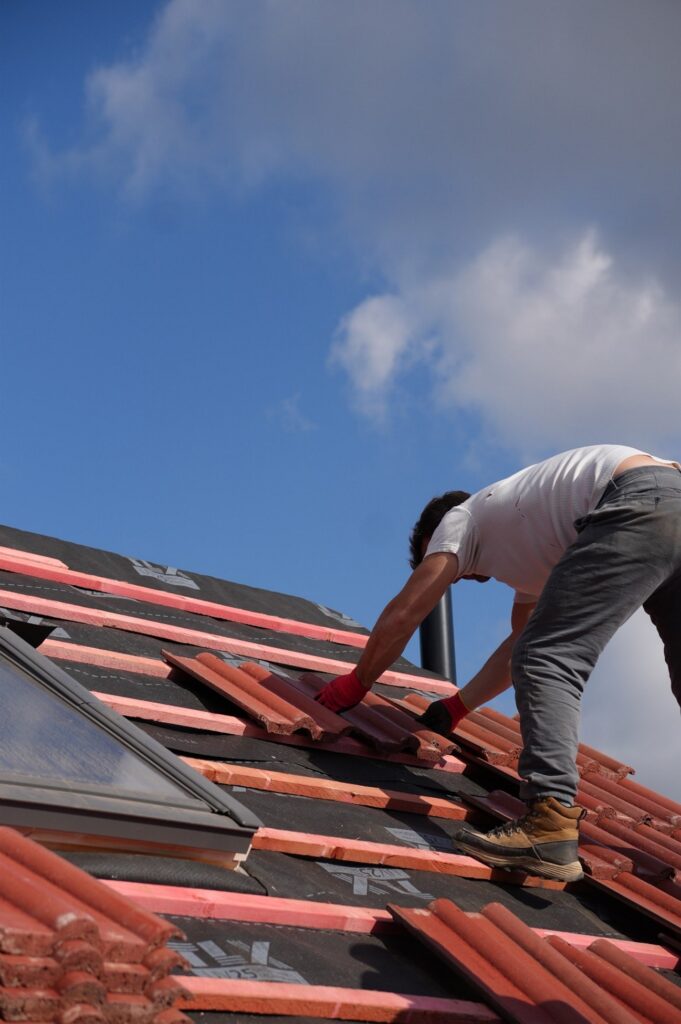
Common causes include:
- A slipped or cracked roof tile
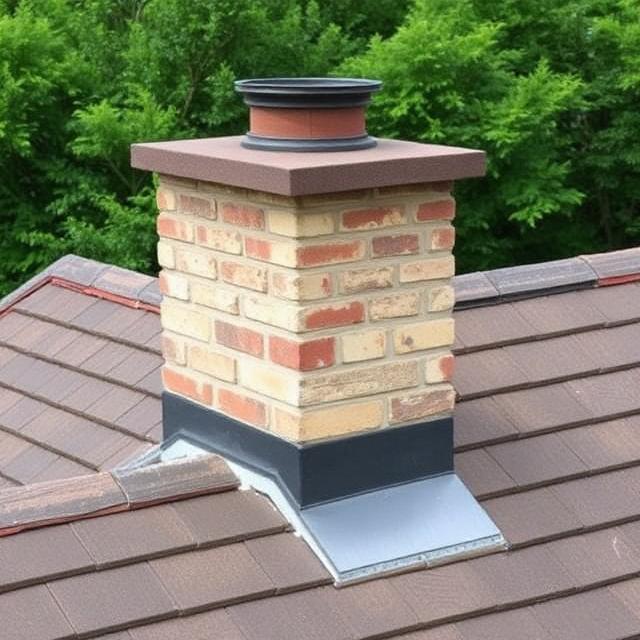
- Damaged lead flashing around the chimney
- Loose ridge tiles
- Blocked roof valleys
- Overflowing gutters
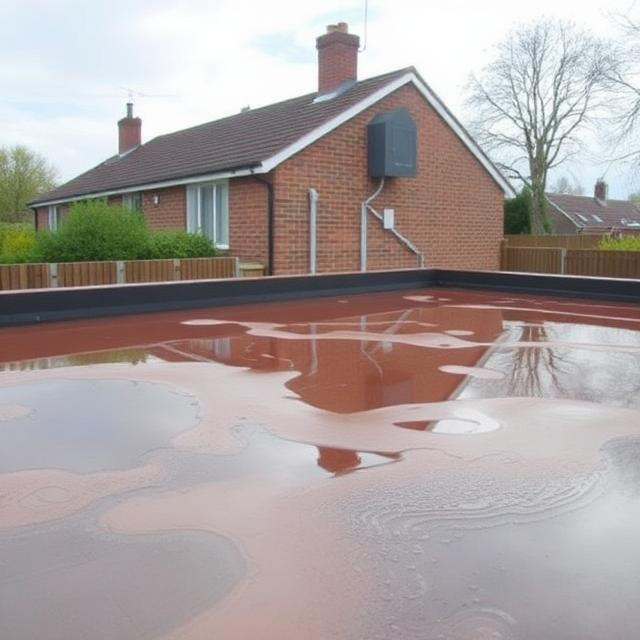
- Ageing flat roof membranes
Many of these issues can be repaired quickly when identified early by an experienced roofing company in Stevenage.
Waiting Until the Leak Gets Worse Costs More
Some homeowners decide to monitor a leak and “see what happens.”
The problem is that water continues entering the roof every time it rains.
Over time, a simple repair can become:
- Replacement roof timbers
- New plasterboard ceilings
- Damaged decoration
- Electrical repairs
- Complete roof replacement in severe cases
Addressing the issue promptly is usually far more cost-effective than dealing with widespread water damage later.
How to Tell If Your Roof Leak Needs Immediate Attention
Even a small leak should be inspected, but certain warning signs indicate more urgent action is needed.
Arrange roof leak repair in Stevenage if you notice:
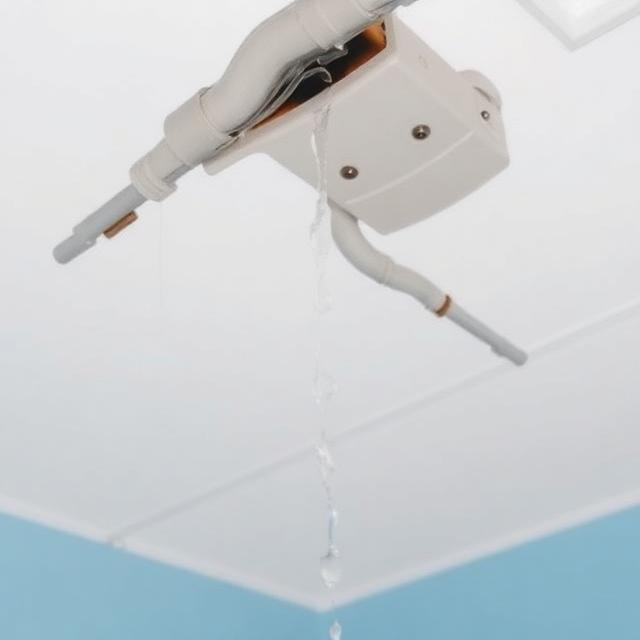
- Water dripping during rainfall
- Ceiling stains increasing in size
- Sagging plaster
- Damp smells upstairs
- Missing roof tiles after strong winds
- Water around chimney breasts or skylights
These symptoms suggest that moisture is continuing to enter the roofing system.
Temporary Fixes Rarely Solve the Real Problem
It’s understandable to look for a quick solution when water first appears.
However, applying roof sealants or placing tarpaulins over the affected area rarely addresses the underlying cause.
Without identifying exactly where the water is entering, temporary repairs may simply delay the problem while hidden damage continues.
Professional inspections focus on the source of the leak rather than the visible symptoms inside your home.
When Should You Call an Emergency Roofer?
A small roof leak repair can often be scheduled promptly, but some situations require immediate attention.
Contact an emergency roofer in Stevenage if:
- Water is actively entering your property
- Storm damage has exposed roof timbers
- Large sections of roof tiles are missing
- The ceiling is bulging or sagging
- Water is close to electrical fittings
Emergency protection can help minimise damage until permanent repairs are completed.
Protecting Your Roof Starts With Early Action
The most affordable roofing repairs are usually the ones completed before water spreads through the property.
Routine inspections, especially after storms or prolonged heavy rain, allow roofing problems to be identified while they’re still straightforward to repair.
Acting early doesn’t just protect your roof—it also protects your ceilings, insulation, timber structure and overall property value.
Conclusion
A small roof leak might not seem urgent today, but it rarely stays that way. What begins as a minor drip can quickly lead to damp, timber decay, mould growth and expensive internal repairs if left untreated.
If you’ve noticed any signs of water entering your roof, arranging a professional inspection is the safest and most cost-effective way to prevent further damage.
When it comes to small roof leak repair, early action almost always saves money in the long run.
Frequently Asked Questions
Can a small roof leak fix itself?
No. Roof leaks generally worsen over time as water continues to penetrate damaged roofing materials.
How serious is a small roof leak?
Even a minor leak can cause hidden damage to roof timbers, insulation and ceilings if left untreated.
How quickly should a small roof leak be repaired?
As soon as possible. Early repairs are typically quicker and more affordable than dealing with long-term water damage.
Is a roof inspection necessary for a small leak?
Yes. Water often travels through the roof before becoming visible, making professional inspection the best way to identify the true source.
Can one damaged roof tile cause a leak?
Yes. A single cracked or missing tile can allow rainwater to enter the roof structure, particularly during heavy rainfall.